


The Application of Activated Carbon in Beverage Purification and Decolorization
Beverage purification and decolorization are essential processes in the beverage manufacturing industry, aimed at enhancing product quality, safety, and sensory appeal. These processes involve the removal of impurities, unwanted pigments, and other undesirable substances that may affect the taste, appearance, and stability of beverages. From natural juices to carbonated drinks and functional beverages, purification and decolorization play a crucial role in ensuring consistency and meeting consumer expectations.
The need for purification arises from the presence of various contaminants in raw materials. Fruits, vegetables, and other natural sources often contain suspended solids, proteins, pectins, and microorganisms. These impurities can cause cloudiness, sedimentation, and spoilage, reducing the shelf life of beverages. Decolorization, on the other hand, targets natural or artificial pigments that may impart an unpleasant color. For example, some fruit juices may have a dark or uneven hue due to polyphenols or oxidation products, which can be unappealing to consumers.
Several technologies are commonly used in beverage purification and decolorization. Filtration is a basic purification method that uses membranes, filter papers, or diatomaceous earth to trap suspended particles. Ultrafiltration and microfiltration are advanced techniques that can remove even smaller molecules, such as proteins and bacteria, without affecting the nutritional value of the beverage. Adsorption is another key process for decolorization, where materials like activated carbon, bentonite, or ion exchange resins attract and bind to pigment molecules.
Activated carbon is widely preferred for decolorization due to its high surface area and strong adsorption capacity. It effectively removes organic pigments, odors, and off-flavors, making it suitable for juices, syrups, and wine. Ion exchange resins, meanwhile, are used to target charged pigments and impurities, ensuring precise control over the decolorization process. These technologies are often combined in a sequential manner to achieve optimal results, balancing purification efficiency and product quality.
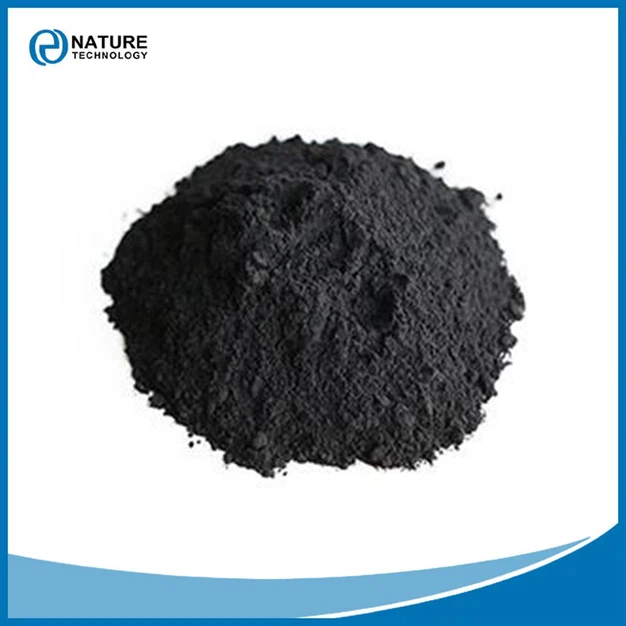
Food Grade Activated Carbon For Beverage Purification and Decolorization:
In addition to improving sensory properties, purification and decolorization also contribute to beverage safety. By removing microorganisms and toxic substances, these processes reduce the risk of foodborne illnesses and ensure compliance with food safety regulations. They also enhance product stability, preventing color changes and degradation during storage and transportation.
As consumer demand for natural and healthy beverages grows, the beverage industry continues to optimize purification and decolorization processes. New technologies are being developed to minimize nutrient loss and avoid the use of synthetic additives. This not only maintains the natural characteristics of beverages but also aligns with the global trend toward clean label products. Overall, beverage purification and decolorization are indispensable steps that bridge raw material quality and final product excellence, supporting the sustainability and success of the beverage industry.