





Electrode Felt
Main Product Description
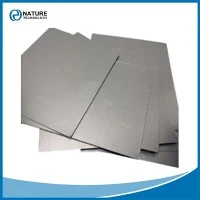
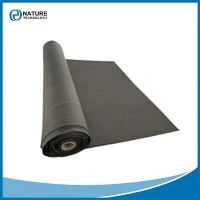
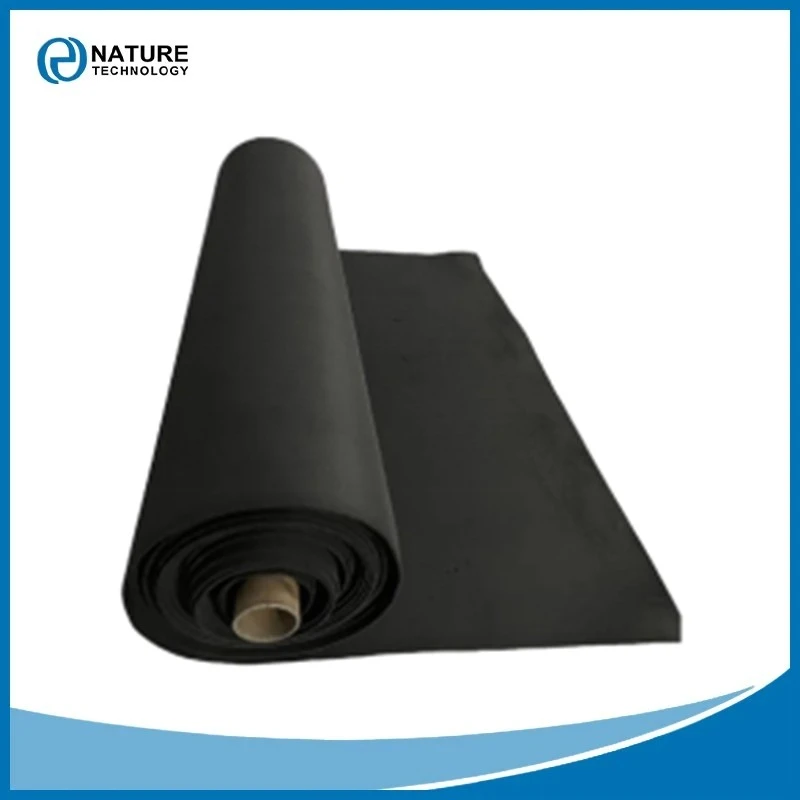
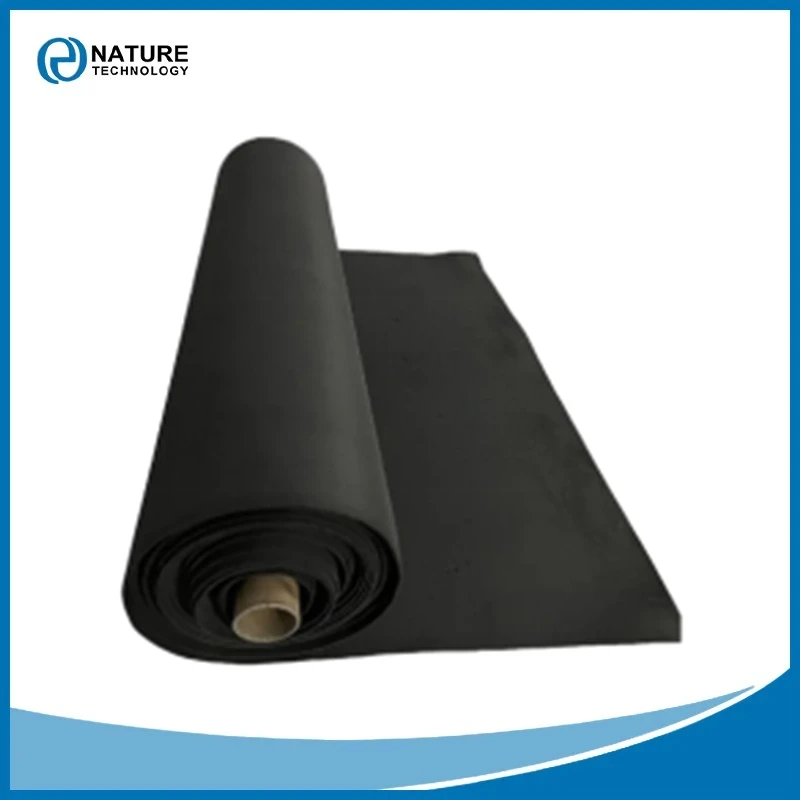
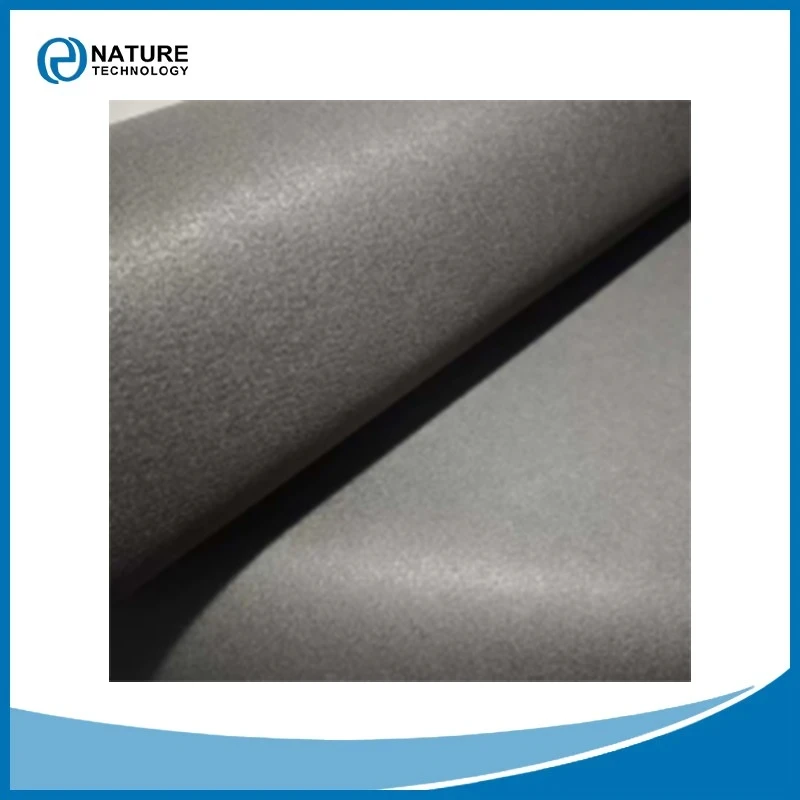
Standard untreated carbon-fiber felt often suffers limited reactive surface sites, gradual wettability degradation and energy-wasting parasitic hydrogen-evolution reactions during long-term electrochemical cycling. To address these practical application-level constraints, we supply two functionally-tuned carbon-fiber felt variants, each optimized for distinct working scenarios within energy-storage and electrolysis hardware.
Hydrophilic Grade: CVD-Grown CNT-Functionalized Electrode Felt
This porous non-woven carbon-fiber substrate undergoes scalable catalytic chemical-vapor-deposition treatment to grow carbon-nanotube nanostructures directly across fiber surfaces. Such hierarchical nanostructure delivers enlarged electrochemically active surface area, reaching peak values of 100 m²/g, with typical operational surface-area readings falling within 9-15 m²/g.
In-situ-grown CNT networks build permanent hydrophilic surface characteristics, which will not fade or deactivate over prolonged cell runtime. Pyrrole- and pyridine-based nitrogen-containing molecular groups are chemically anchored onto the felt surface. This surface modification suppresses undesirable hydrogen-evolution parasitic reactions, cutting energy losses inside the cell. This material is well-suited to serve as core electrode media for diverse redox-flow-battery stack configurations.
Hydrophobic Grade: PTFE-CNT Co-Modified Carbon-Fiber Electrode Felt
Tailored for setups requiring stable gas-liquid separation, this electrode felt integrates polytetrafluoroethylene alongside carbon-nanotube fillers throughout its three-dimensional fibrous matrix. Its achievable specific surface area can peak at 100 m²/g, while routine working values sit within 9-15 m²/g.
Benefiting from dual PTFE-CNT composite modification, the fibrous felt maintains consistent non-wetting properties without performance drift under continuous electrolytic-cell operating conditions. This hydrophobic variant works reliably as electrode material for different kinds of electrolytic-cell hardware.
Both felt grades are offered in multiple standard thickness selections, and custom dimensional adjustments can be delivered for project-specific stack designs. Every production batch passes multi-item validation including specific-surface-area characterization, sheet-resistance testing and fiber-shedding inspection before shipment.
|
Item |
Unit |
Parameter |
|
Thickness |
mm |
2.5 - 7.0 |
|
Density |
g/cm³ |
0.08 -0.11 |
|
Max Width |
m |
1.42 -1.45 |
|
Breaking strength-warp |
N |
≥10 |
|
Breaking strength-weft |
N |
≥10 |
|
Through-plane thermal conductivity |
W/m·k |
0.28 |
|
Square resistance |
Ω/□ |
0.2-0.5 |
|
Carbon content |
% |
≥99.90 |
|
Liquid carrying rate |
% |
11-22 |
|
Fiber shedding rate |
% |
≤0.5 |
|
Specific surface area |
m²/g |
9-15 (max 100) |
FAQ
Q: How do I pick between hydrophilic and hydrophobic electrode felt?
A: Hydrophilic felt is optimized for redox-flow-battery electrodes requiring full electrolyte infiltration. Hydrophobic felt is recommended for electrolytic-cell scenarios where stable gas-liquid separation is critical.
Q: Can we get custom thickness for this carbon-fiber felt?
A: Apart from our standard thickness portfolio, we support custom thickness and dimensional specifications matched to customer stack compression requirements.
Hot Tags: electrode felt, China, manufacturers, suppliers, factory, buy, price
You Might Also Like


Send Inquiry