


There are many types of decolorization activated carbon, such as sewage decolorization activated carbon, oil decolorization activated carbon, sugar solution decolorization activated carbon, and so on. This product is widely used in the food industry for decolorization, refining, deodorization, and impurity removal of sugars, glutamic acid and salts, lactic acid and salts, citric acid and salts, wine, seasonings, animal and plant proteins, biochemical products, pharmaceutical intermediates, vitamins, antibiotics, and other products. Each decolorizing activated carbon has its own usage method and precautions. Before use, be sure to read and pay attention to the instructions.
The decolorized refined charcoal is made from hard fruit shells such as sawdust, coconut shells, apricot shells, walnut shells, etc., and is refined by scientific methods. The product is black amorphous granular or black powdery activated carbon, which has the advantages of large specific surface area, developed pore structure, strong adsorption capacity, fast decolorization speed, and easy regeneration. Mainly used for decolorization, deodorization, refining, and scientific research of sugars, alcohols, oils, and refreshing beverages.
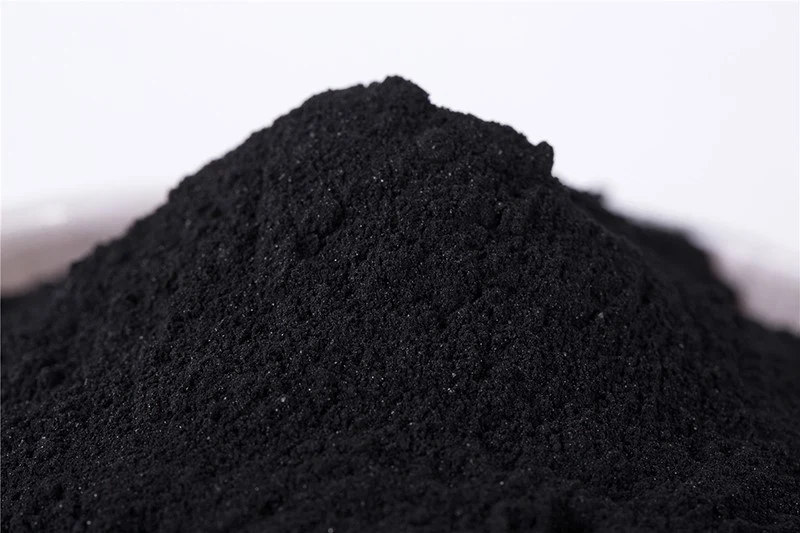
Petrochemical decolorization activated carbon is made from high-density coconut shell as raw material, which is activated at high temperature, ground, bonded, and refined by balling. It is mainly used for decolorization and purification in the petrochemical industry, water treatment projects in the petrochemical industry, and can remove harmful substances in petroleum. It can also be used as a catalyst or carrier in the synthetic industry.
There may be deterioration of substances in wastewater due to prolonged exposure to air, which leads to oxidation reactions and color development. If there is a problem with the quality of activated carbon, the decrease in iodine adsorption value will lead to a decrease in adsorption efficiency, and the original water color or substance concentration will increase, resulting in insufficient adsorption capacity of activated carbon.
The more thorough the contact between activated carbon and water, and the longer the time, the more favorable it is for adsorption. The contact time between activated carbon and water is generally controlled at 20 minutes or more. If the time is too short, the adsorption effect will be reduced. The decolorization effect of activated carbon is strong in water and weak in solvents. Generally, 0.1-3% (W/V) is added and stirred for 30-60 minutes. The particle size of activated carbon has an impact on the decolorization time, and the decolorization effect varies significantly among different manufacturers due to different production and processing methods. When the carbon water mixture is stirred vigorously and the carbon water separation time is short, the decolorization effect will be reduced.
https://www.naturecarbon.com/coal-based-activated-carbon/activated-charcoal-pellets.html


