Raw Material Category: Coconut shell
Processing Technology: Production of activated carbon from coconut shell
Raw Material Preparation: Wash the coconut shells clean, air-dry them, crush them, and sieve through a 40-mesh screen for later use. Purchase polyethylene bead materials and set them aside for later use.
Production Equipment, Instruments and Chemicals: Mixer, plastic molds, carbonization furnace, stirrer, activation furnace, wooden barrel, test paper, 120-mesh sieve, wok, sodium hydroxide, formaldehyde, zinc chloride, hydrochloric acid, ammonium chloride, styrene, hexane, calcium stearate, and talc powder.
Process Flow: Prepared materials → Carbonization → Cooling → Activation → Washing → Stir-frying → Drying → Crushing and sieving → Activated carbon finished product
Operating Steps:
1.Add 3 times the quantity of 44% zinc chloride solution (adjusted to pH = 1 with hydrochloric acid) to the prepared materials. Stir thoroughly for impregnation, then let stand to absorb for 5 hours. Stir thoroughly again, and let stand to absorb for another 5 hours, until the zinc chloride solution is completely absorbed.
2.Transfer the material to an open, flat-bottomed carbonization furnace for sealed carbonization. Carbonize at 400°C for 3 hours, stirring thoroughly once every 30 minutes or so. Before each stirring, lower the furnace temperature to below 100°C; after stirring, raise the temperature again and resume sealed carbonization.
3.When the material turns into black char, carbonization is complete. Discharge the material and allow it to cool.
4.Impregnate with 2 times the quantity of 44% zinc chloride solution (pH = 1). Stir thoroughly until the zinc chloride solution is fully absorbed.
5.Transfer to the activation furnace and activate at 650°C for 70 minutes. Discharge the material and allow it to cool.
6.Transfer to a wooden barrel and add an equal amount of 40% ammonium chloride solution. Stir thoroughly to wash, then let stand to clarify and siphon off the clear liquid.
7.Wash successively with 30%, 12%, and 3% ammonium chloride solutions with stirring, then wash with an equal amount of 30% hydrochloric acid with stirring.
8.Filter out the carbon particles, place them in a wok, add an equal volume of clean water, and wash by boiling several times until the washing water is free of ammonium chloride.
9.Heat to evaporate the water while stirring and turning over the material. Discard the remaining water.
10.Dry, crush, and sieve through a 120-mesh screen to obtain the activated carbon. Seal and package.
Precautions:
1.Hydrochloric acid and sodium hydroxide are strong acids and strong bases, and formaldehyde is highly toxic. Protective clothing, gloves, masks, and other protective equipment must be worn during operation to prevent burns from acid and alkali solutions. The treatment and discharge of waste acid and alkali solutions must comply with relevant national regulations to prevent environmental pollution.
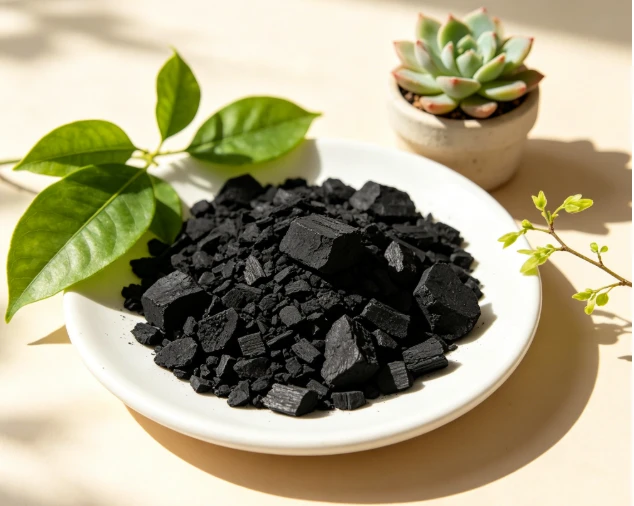
2.During the carbonization and activation processes, pay close attention to high temperatures and ensure safe production.