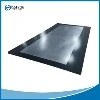
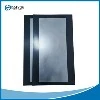
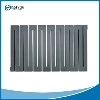
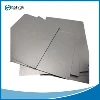
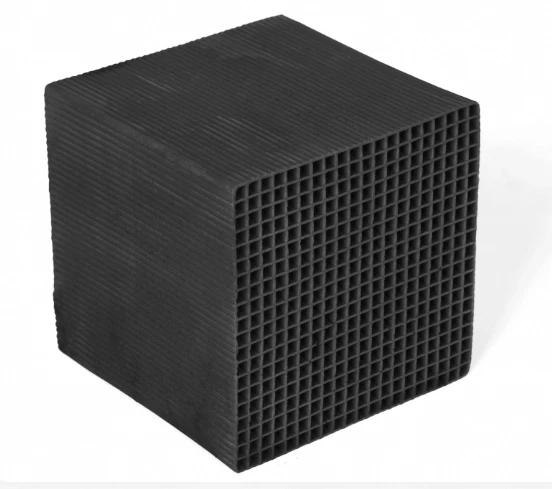
Honeycomb activated carbon is an advanced environmental protection material renowned for its outstanding adsorption performance and wide range of applications. By processing ordinary activated carbon into a honeycomb shape, we significantly increase its surface area and adsorption capacity. This structural design provides unparalleled advantages in both air and water purification.
Advantages of the Honeycomb Structure
The honeycomb structure is one of its most prominent features. This design not only increases the surface area of the activated carbon but also optimizes the flow of air and water, leading to a significant improvement in both adsorption efficiency and speed. Compared to traditional granular activated carbon, the honeycomb design captures and retains pollutants more effectively, extending its service life and reducing the frequency of replacements.
Larger Specific Surface Area: The honeycomb structure increases the surface area, providing more adsorption sites.
Optimized Flow Dynamics: The honeycomb design improves the passage of air and water flow, enhancing adsorption efficiency.
Durability: Due to its higher adsorption capacity, honeycomb activated carbon has a longer service life, reducing the need for frequent replacements.
Innovative Manufacturing Process
Advanced manufacturing processes are employed, utilizing high-temperature carbonization and activation to convert raw materials into honeycomb activated carbon. The entire production process is strictly controlled to ensure consistent product quality and performance. We focus not only on the adsorption performance of the product but also on environmental protection and sustainability, striving to reduce carbon emissions and resource waste during production.
High-Temperature Carbonization: Raw materials are converted into preliminary activated carbon through high-temperature carbonization.
Activation Process: Further processing creates a rich microporous structure, enhancing adsorption capacity.
Eco-Friendly Production: Emphasis is placed on reducing carbon emissions and resource waste during production to achieve sustainable development.
Working Principles of Honeycomb Activated Carbon
The working principle of honeycomb activated carbon is primarily based on its microporous structure and physical adsorption characteristics. Its enormous specific surface area and abundant microporous structure enable it to effectively adsorb pollutants and odors in air and water. This adsorption process is physical in nature, capturing pollutant molecules on the surface of the activated carbon through intermolecular van der Waals forces.
Mechanism of Physical Adsorption
Physical adsorption is the primary mechanism of honeycomb activated carbon. Through the optimization of microporous structures and surface area, the activated carbon can capture and retain pollutants without altering their chemical properties. This adsorption process is reversible, meaning that under specific conditions, the adsorbed substances can be released, allowing for the regeneration and reuse of the activated carbon.
Micropore Adsorption: The microporous structure provides a vast number of adsorption sites, enhancing adsorption capacity.
Van der Waals Forces: Intermolecular van der Waals forces cause pollutant molecules to be adsorbed onto the surface of the activated carbon.
Reversible Adsorption: The adsorption process is reversible; pollutants can be released under specific conditions to achieve regeneration of the activated carbon.
Regeneration and Reuse
The regenerative capability of honeycomb activated carbon provides significant economic and environmental advantages for long-term use. Through thermal or chemical treatment methods, adsorbed pollutants can be removed from the activated carbon, restoring its adsorption capacity. This not only extends the service life of the activated carbon but also reduces waste generation, offering positive benefits for environmental protection.
Thermal Regeneration: Adsorbed pollutants are decomposed and removed through heating.
Chemical Regeneration: Specific chemical agents are used to dissolve and remove pollutants.
Environmental Benefits: The regeneration process reduces waste generation, protecting the environment.
Application Areas
Due to its superior performance, honeycomb activated carbon is widely used across multiple fields. Whether in industrial production, household environments, or the medical sector, Chengdu activated carbon demonstrates irreplaceable advantages.
Water Treatment
In the field of water treatment, honeycomb activated carbon is widely used to remove various pollutants from water, such as organic compounds, heavy metals, and residual chlorine. Its excellent adsorption capacity and long lifespan make it a crucial component of water treatment systems.
Organic Compound Removal: Adsorbs organic pollutants in water, such as benzene and toluene.
Heavy Metal Removal: Removes heavy metals from water, such as lead and mercury.
Residual Chlorine Removal: Removes residual chlorine from water to improve water quality.
Air Purification
In air purification, honeycomb activated carbon effectively removes harmful gases and odors from the air thanks to its powerful adsorption capacity, providing a clean air environment. It plays a vital role in everything from household air purifiers to industrial emission control.
Harmful Gas Adsorption: Removes harmful gases such as formaldehyde and benzene from the air.
Odor Removal: Effectively eliminates odors in the air, providing fresh air.
Industrial Applications: Adsorbs harmful gases during industrial emission control to protect the environment.
Medical Applications
In the medical field, honeycomb activated carbon is widely used in various medical devices, such as respirators and gas purifiers. Its outstanding adsorption performance ensures the quality of gas provided by these devices, protecting patients' health.
Respirators: Adsorbs bacteria and viruses in the air to provide clean gas.
Gas Purifiers: Purifies air in environments like operating rooms to ensure the safety of medical staff and patients.
Medical Wastewater Treatment: Used to treat medical wastewater and remove harmful substances.
https://www.naturecarbon.com/honeycomb-activated-carbon/gas-phase-activated-carbon.html